

Tampa Probate Lawyer
When a loved one passes away, navigating the probate process can feel overwhelming during an already difficult time. Having an experienced Tampa probate lawyer by your side can make all the difference in ensuring the estate administration process proceeds smoothly and efficiently. At Messina Law Group, P.A., founded by brothers Anthony Messina and Paul Messina, Jr., we understand that every situation is unique and are committed to making the legal process as straightforward as possible for families throughout Hillsborough, Pasco, and Pinellas Counties.
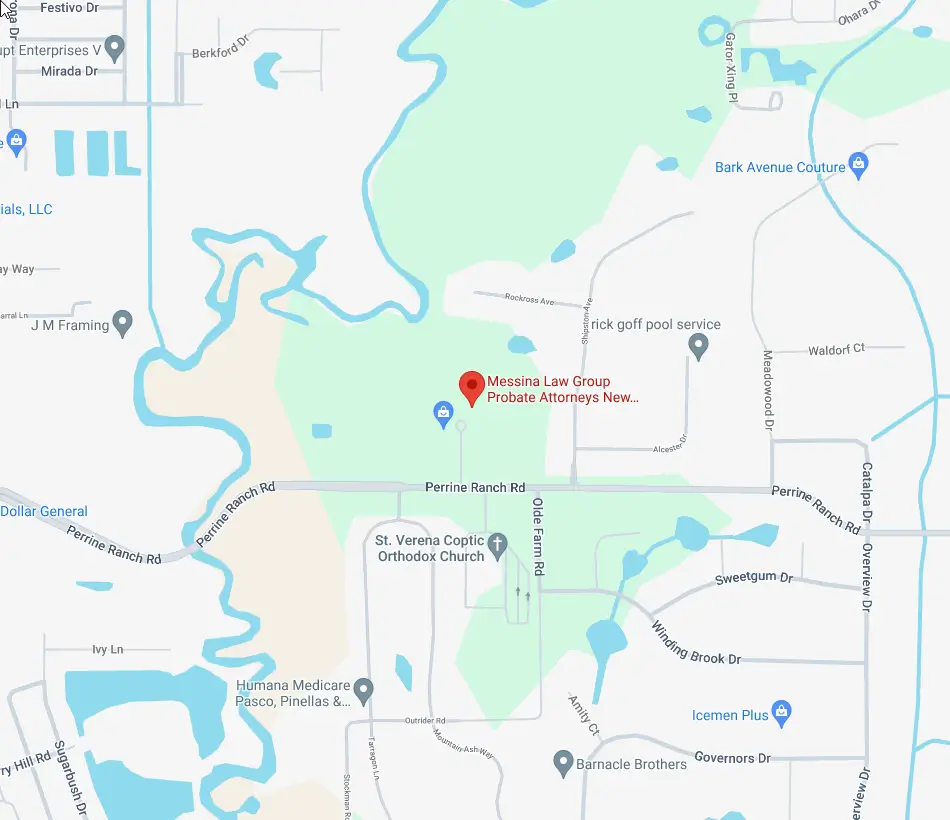
Our full-service Florida law firm has handled thousands of cases throughout the state, providing comprehensive legal counsel in probate administration, estate planning, and related matters. We serve clients throughout the Tampa Bay area, including Wesley Chapel and surrounding communities, with offices in multiple locations to ensure we’re nearby when you need us most.
- Ancillary Administration
- Formal Estate Administration
- Non-US Citizen Probate
- Out-of-State Probate
- Probate Rules
- Personal Representative
- Summary Administration
- Will Challenge
Understanding Florida Probate Administration
Probate is the court-supervised legal process of administering a deceased person’s estate. In Florida, this process involves inventorying the decedent’s assets, paying outstanding debts and taxes, and distributing the remaining property to beneficiaries according to their will or Florida’s intestacy laws when no valid will exists. The complexity of probate can vary significantly depending on the estate’s size, the clarity of estate planning documents, and whether disputes arise among family members or creditors.
Florida law requires most estates to go through probate proceedings in the circuit court where the decedent resided. However, certain assets may pass outside the probate process, including jointly held property, accounts with designated beneficiaries, and assets held in trust. Understanding which assets require probate and which do not is essential for efficient estate administration and can help minimize delays and costs for beneficiaries.
The probate process typically begins with filing the will at the Hillsborough County Courthouse located at 800 E Twiggs Street in downtown Tampa. From there, the court appoints a personal representative to manage the estate, and the formal administration process begins. This includes notifying creditors and beneficiaries, inventorying all estate assets, paying valid debts and taxes, and ultimately distributing the remaining assets according to the will or state law.
Why Is Probate Necessary?
Probate serves several important purposes:
- It provides a legal process for transferring assets from the deceased to the beneficiaries.
- It ensures that creditors have an opportunity to present and settle their claims against the estate.
- It allows for the payment of taxes and final expenses.
- It resolves any disputes that may arise regarding the distribution of assets.
Types of Probate Proceedings in Florida
Florida recognizes several types of probate administration, each designed for different circumstances and estate sizes. Formal administration represents the standard probate process required for larger estates or when complications exist. This comprehensive process involves court supervision throughout the administration, publication of notice to creditors in local newspapers, a formal claims period for creditors to come forward, and court approval of the personal representative’s actions. Formal administration typically takes six months to a year or longer to complete, depending on the estate’s complexity.
Summary administration provides a simplified alternative for smaller estates valued at $75,000 or less, excluding exempt property, or when the decedent has been deceased for more than two years. This expedited process requires less court involvement and can often be completed more quickly than formal administration, reducing both costs and delays for beneficiaries who are eager to receive their inheritance.
For very small estates, disposition without administration may be available when the estate consists only of exempt property and non-exempt personal property that does not exceed the costs of final medical and funeral expenses. This streamlined approach allows families to handle minimal estates without formal court proceedings.
Ancillary administration becomes necessary when a Florida resident owned real property in another state or when a non-Florida resident owned real property in Florida. These proceedings coordinate with the primary probate case to ensure proper transfer of property located in different jurisdictions.
Formal Administration v. Summary Administration
Depending on a number of factors including the size of your loved one’s estate and the type of assets and debts involved at the time of death, there are two primary ways your loved one’s estate can go through probate: Formal Administration or Summary Administration.
Most estates in the Florida probate courts go through the longer, and more complicated formal administration which has no eligibility requirements.
This process includes:
- Appointing a Personal Representative
- Issuing Letters of Administration
- Notifying creditors
- Objecting to creditor claims or paying the creditor’s claims that survive the Decedent’s death
- Taking possession of the Estate’s assets
- Inventorying the Decedent’s assets and determining their value
- Collecting on debts owed to the Decedent
- Paying taxes and the Decedent’s final expenses
- Distributing the assets to appropriate beneficiaries.
Summary Administration, on the other hand, offers a quicker option for estates with fewer assets to distribute. In exchange for this efficiency, Summary Administration limits the power of those involved in distributing the estate.
Probating the Estate
A Personal Representative will be appointed by the Court or nominated in your loved one’s Will. It is the Personal Representative’s responsibility to oversee the probate process in conjunction with an attorney the retained.
The Personal Representative will be responsible for:
- Appointing a Personal Representative
- Issuing Letters of Administration
- Notifying creditors
- Objecting to creditor claims or paying the creditor’s claims that survive the Decedent’s death
- Taking possession of the Estate’s assets
- Inventorying the Decedent’s assets and determining their value
- Collecting on debts owed to the Decedent
- Paying taxes and the Decedent’s final expenses
- Distributing the assets to appropriate beneficiaries.
Personal Representative Duties and Responsibilities
The personal representative, sometimes called an executor, bears significant responsibility for managing the entire probate process. Florida law imposes strict fiduciary duties on personal representatives, requiring them to act in the best interests of the estate and its beneficiaries at all times. These duties include locating and securing all estate assets, maintaining accurate financial records, filing required tax returns, paying legitimate debts and expenses, and distributing assets according to the will or Florida law.
Personal representatives can face personal liability if they fail to fulfill their duties properly. Common mistakes include distributing assets before paying all creditors, failing to provide required legal notices to interested parties, mismanaging estate assets, or favoring certain beneficiaries over others. Having experienced legal counsel helps personal representatives avoid these costly pitfalls and fulfill their legal obligations correctly.
Our attorneys guide personal representatives through each step of the probate process, from the initial filing through final distribution and discharge. We help prepare all required court documents, meet strict court deadlines, communicate effectively with beneficiaries and creditors, and resolve issues that arise during administration. This comprehensive support helps ensure the estate administration proceeds efficiently while protecting the personal representative from potential liability.
Estate Disputes and Probate Litigation
Unfortunately, not all probate matters proceed without conflict. Disputes can arise among family members, between beneficiaries and personal representatives, or involving creditors and other parties with claims against the estate. When conflicts cannot be resolved through negotiation and mediation, estate and trust litigation may become necessary to protect your rights and interests.
Will contests challenge the validity of a will based on grounds such as lack of testamentary capacity, undue influence, fraud, or improper execution. These cases require proving that the testator lacked the mental capacity to understand the nature and extent of their property and the effect of signing a will, or that someone improperly influenced the testator’s decisions. Will contests must typically be filed within specific time limits under Florida law, making prompt legal consultation essential for potential challengers.
Disputes over estate administration arise when beneficiaries believe the personal representative is not fulfilling their fiduciary duties properly. This may include allegations of self-dealing, failure to account for estate assets, unreasonable delays in administration, or improper distribution of assets. Beneficiaries may petition the court to compel detailed accountings, remove personal representatives, or surcharge representatives for losses caused by their misconduct or negligence.
Trust litigation involves disputes over the creation, administration, or interpretation of trusts. These cases may challenge the validity of a trust document, seek removal of a trustee for breach of fiduciary duty, or request court interpretation of ambiguous trust provisions that create uncertainty about the settlor’s intentions.
Tampa Probate Lawyer FAQs
How long does the probate process take in Florida?
The duration of probate depends on several factors, including the type of administration, estate complexity, and whether disputes arise. Summary administration can often be completed in a few months, while formal administration typically takes six months to over a year. Contested cases may take significantly longer to resolve.
What are the costs associated with probate in Florida?
Probate costs include court filing fees, publication costs, attorney fees, personal representative compensation, and other administrative expenses. Florida law provides guidelines for reasonable attorney and personal representative fees based on the estate’s value, though actual costs vary depending on the estate’s complexity.
Can probate be avoided in Florida?
While probate cannot be completely avoided for all assets, proper estate planning can minimize the assets subject to probate. Strategies include creating revocable living trusts, designating beneficiaries on accounts, holding property jointly with rights of survivorship, and other planning techniques.
What happens if someone dies without a will in Florida?
When someone dies without a valid will, their estate is distributed according to Florida’s intestacy statutes. The law provides a specific hierarchy for inheritance, with surviving spouses and children typically receiving priority, followed by other family members in order of relationship proximity.
Who can serve as a personal representative in Florida?
Florida law restricts who may serve as personal representative. Generally, only Florida residents, surviving spouses regardless of residency, or certain family members may serve. Non-residents who are related to the decedent within specific degrees of kinship may also qualify under certain circumstances.
What is the difference between probate and non-probate assets?
Probate assets are those owned solely by the decedent that do not have beneficiary designations, while non-probate assets transfer automatically upon death. Non-probate assets include jointly owned property, retirement accounts with named beneficiaries, life insurance policies, and assets held in trust.
Can creditors make claims against the estate during probate?
Yes, creditors have the right to file claims against the estate for legitimate debts owed by the decedent. Florida law establishes specific time limits for creditor claims, and personal representatives must evaluate and either pay or object to claims according to legal requirements.
Serving Throughout Tampa
- Hyde Park
- Westchase
- South Tampa
- Carrollwood
- Brandon
- Riverview
- Town ‘N’ Country
- Temple Terrace
- Plant City
- Valrico
Contact a Tampa Probate Attorney Today
At Messina Law Group, P.A., our experienced probate attorneys are dedicated to helping families navigate the complexities of estate administration with confidence and peace of mind. Whether you need assistance with straightforward probate proceedings or face complex estate disputes, our team has the knowledge and experience to guide you through every step of the process. We understand that dealing with legal matters after losing a loved one can be emotionally challenging, which is why we strive to make the process as smooth and manageable as possible. Contact our Tampa probate attorney today to discuss your specific situation and learn how we can help protect your family’s interests during this important time.